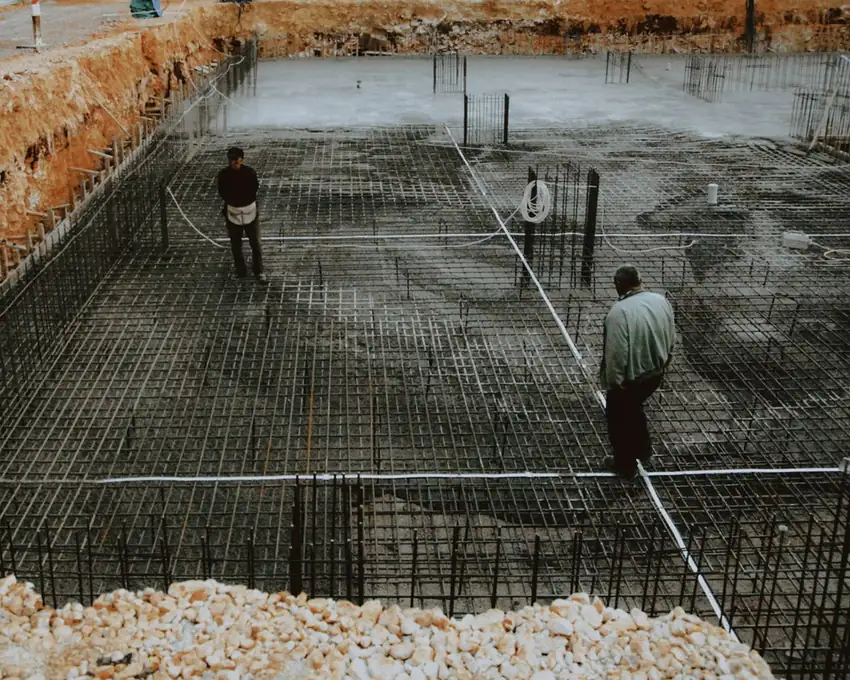
Base and steel done properly
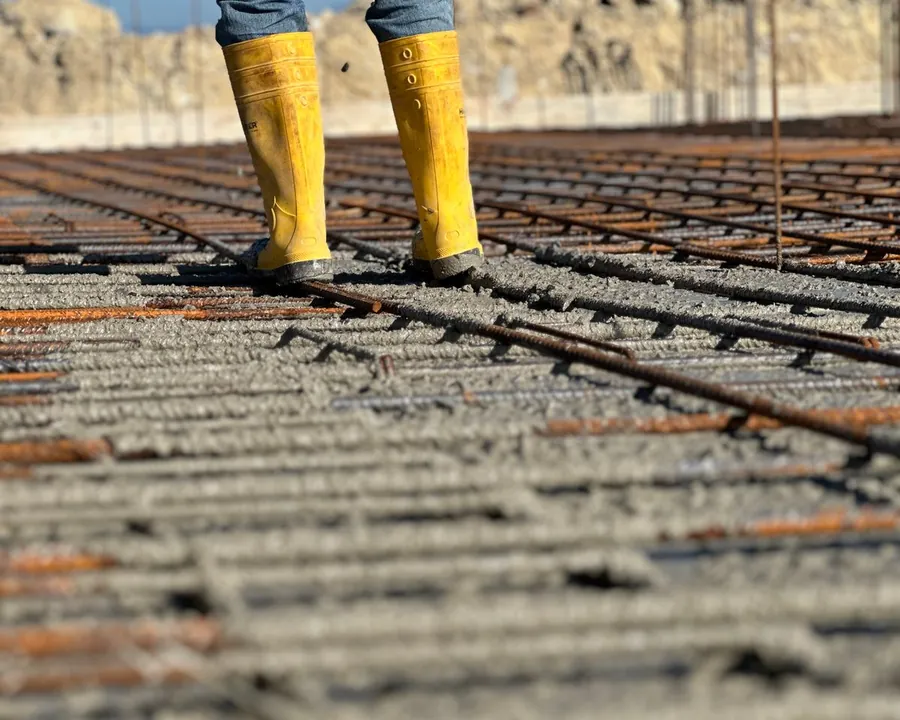
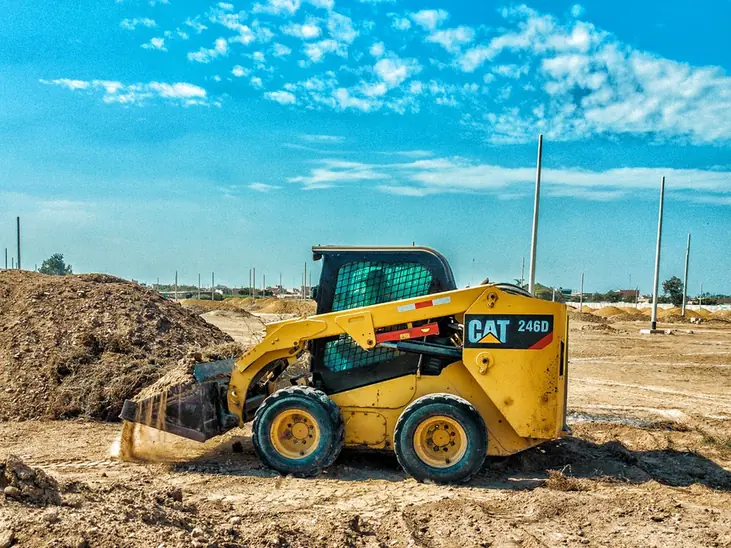
Old concrete broken out and hauled away, subgrade dug to depth and compacted, forms set square to the fall we agreed. Then rebar tied into a grid and lifted onto chairs so it sits inside the slab, not underneath it.
The job
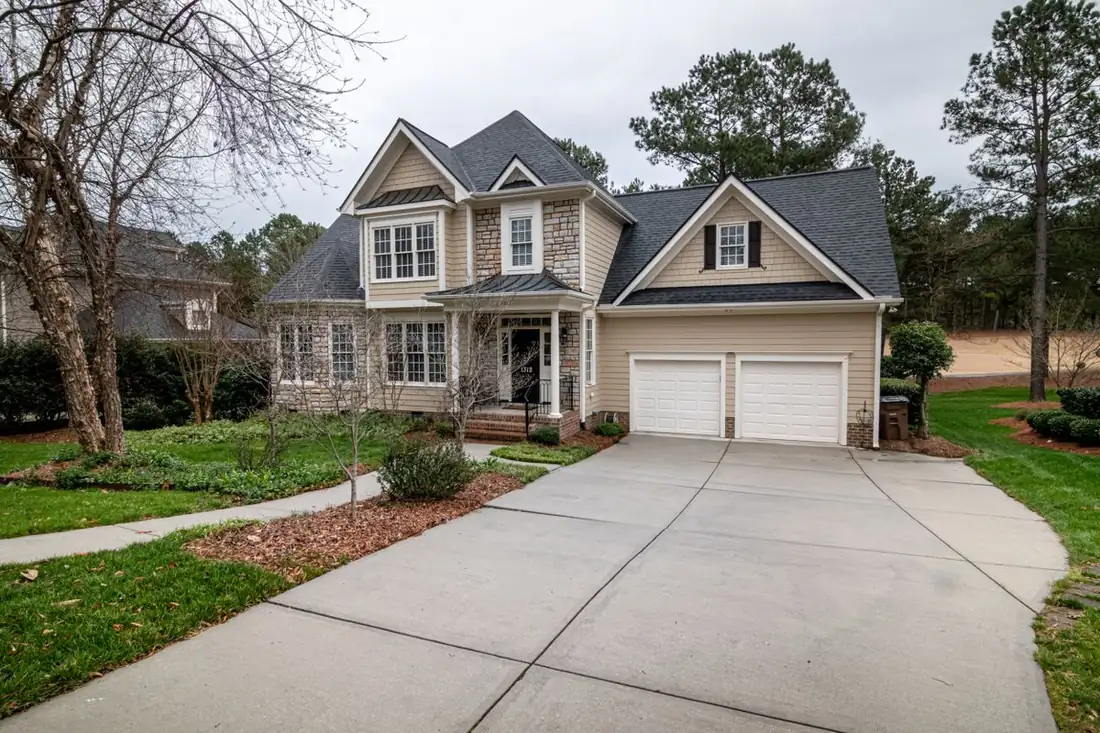
Your driveway carries two or three tons of vehicle, several times a day, through summers that bake the clay under it and winters that soak it. It is the first thing anyone sees when they pull up, and the first thing that tells them whether the house has been looked after.
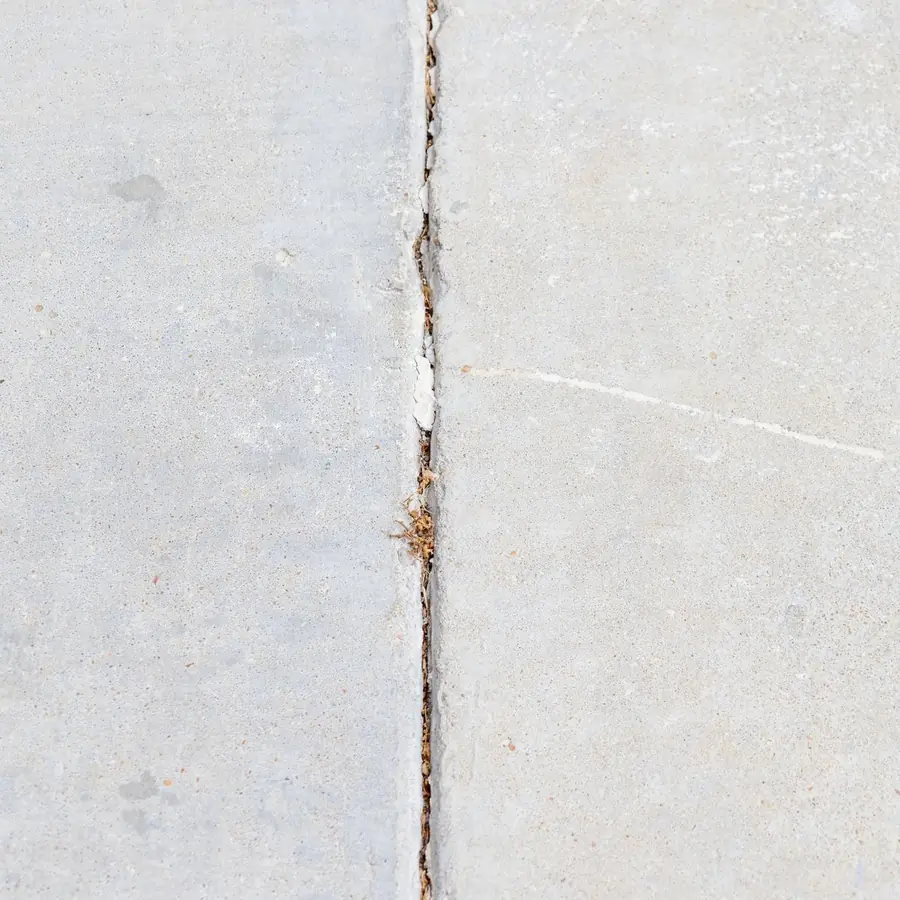
Most of the failed driveways we get called out to weren't badly finished. They were poured too thin, on a base that was never compacted, with wire mesh lying flat on the dirt. It looked perfect for two years. Then the clay moved.
We'd rather spend the extra half-day on the part nobody photographs.
What's in it
There is no stripped-back version. These are the steps that decide whether you're looking at a good driveway in year ten.
Old concrete broken out and hauled away, subgrade dug to depth and compacted, forms set square to the fall we agreed. Then rebar tied into a grid and lifted onto chairs so it sits inside the slab, not underneath it.
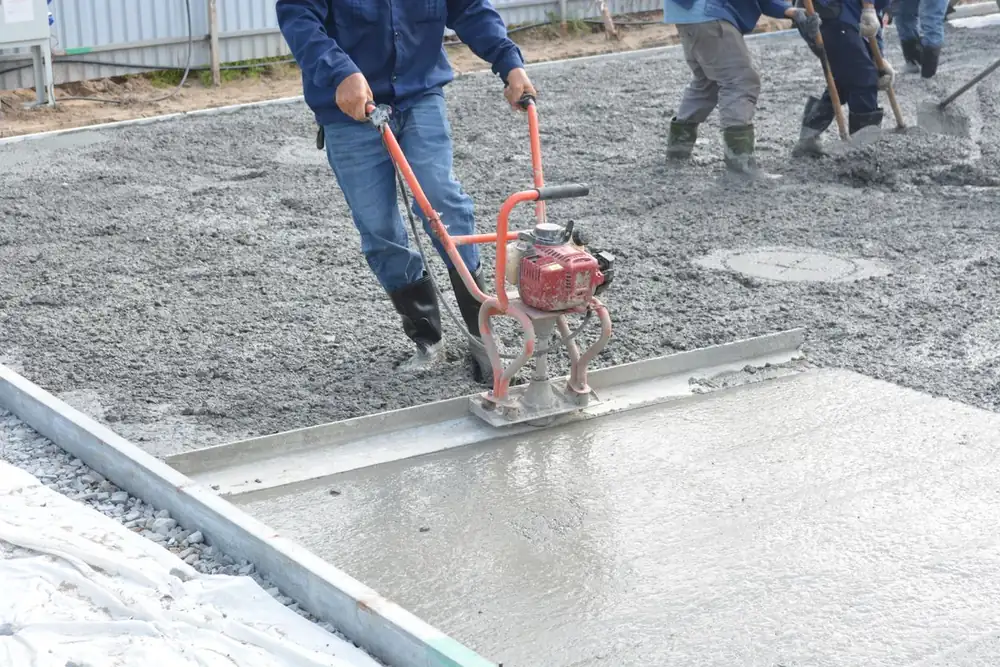
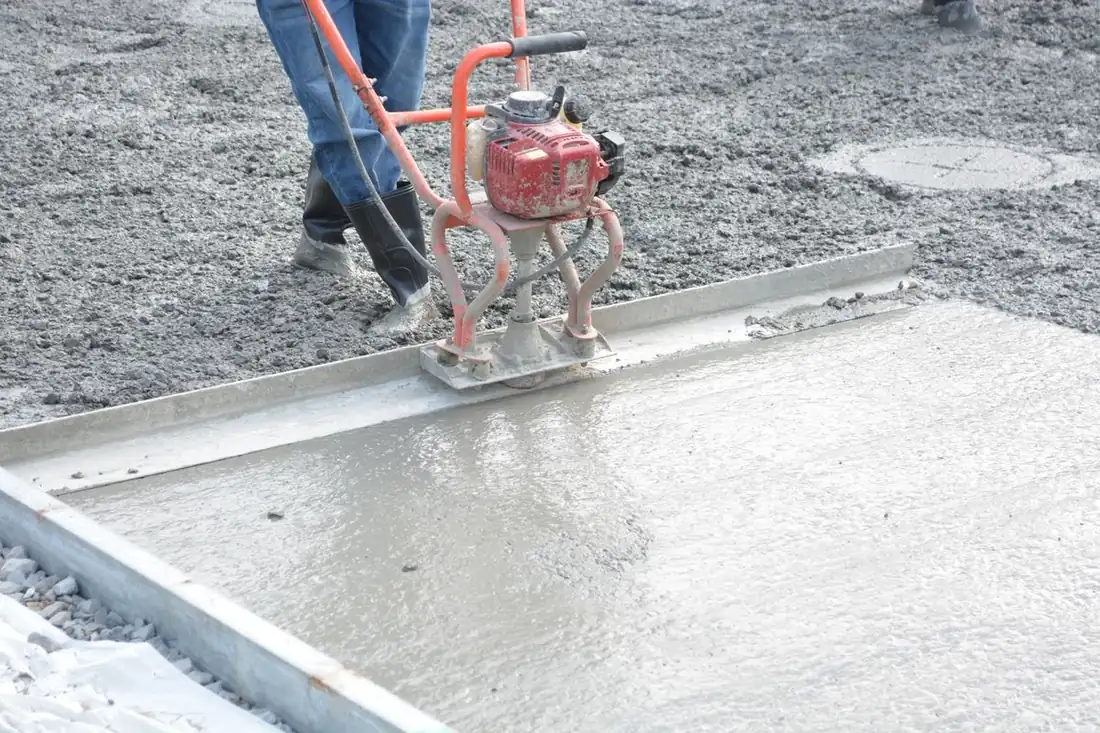
Concrete placed and screeded to level, floated, then worked by hand at the edges, the garage lip and anywhere it meets brick or a walkway. A broom finish goes on last for grip in the rain.
Control joints saw-cut early at the right depth and spacing so the slab cracks where we put the line, not across the middle. Then forms out, debris gone, drive swept, and a straight answer about when you can park on it.
Why here is different
The expansive clay under most of Rockwall County swells when it takes on water and shrinks hard when it dries out. That movement is the reason driveways here crack, step and rock in a way they don't in other parts of the country.
You can't stop the ground moving. What you can do is give the slab enough thickness, enough steel in the right place, a base that doesn't wash out, and joints spaced so the movement is absorbed in straight lines. That's the whole argument for doing the invisible part properly.
Compacted base // Correct depth // Chaired rebar // Joint spacing // Drainage away from the slab // Clean tie-ins
Common jobs
Four inches is the common residential standard for cars and light trucks. Where there's an RV, a trailer, a work truck or repeated heavy deliveries involved, we go thicker and adjust the reinforcement to match. Either way you'll know what we're pouring before it's poured.
Yes — it's one of the most common jobs we do. We tie the new section in at the joint rather than butting it up loose, so the two slabs move together instead of stepping apart on you a couple of summers later.
For a typical residential drive, the demo, dig and prep is usually a day or two, the pour itself is a single day, and after that it's curing. You get the real schedule for your job before we start, not a guess.
Yes. The approach takes the most abuse of any part of the driveway and it's often the first section to fail, so it gets the same base prep and reinforcement as everything else.
Keep vehicles off for about a week, and stay off it on foot for roughly 24 hours. Concrete keeps gaining strength for around 28 days, so go easy on the very edges early on.
Broken out, loaded and hauled off as part of the job. You don't need to find a dumpster or a second contractor for it.
Free estimate
Rough size, what's there now, and whether anything heavy has to park on it. That's usually enough to get you a real number and a week we could do it.
Nearby


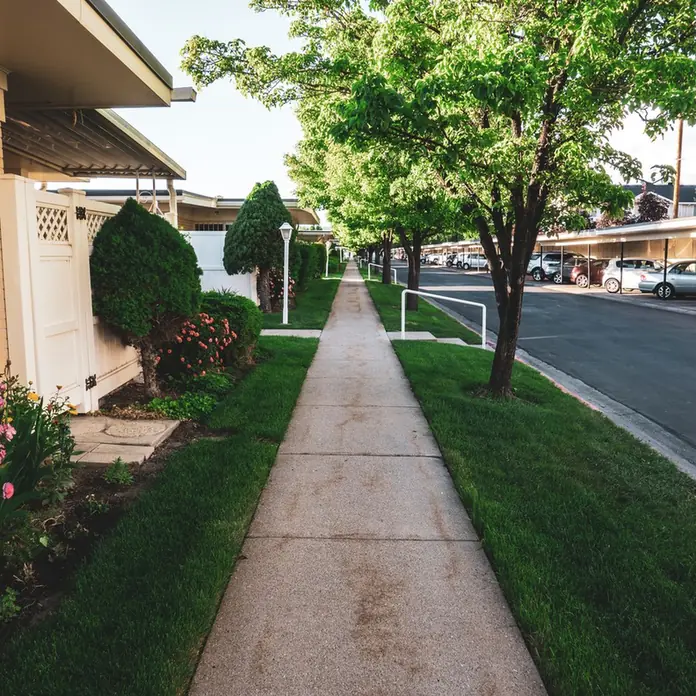
Front walks, side paths, steps and landings that sit level and drain.
Sidewalks & walkways
Cracked, sunken and spalling concrete assessed honestly, then patched or replaced.
Concrete repair
Dig, grade, break out and haul off — the work that happens before the pour.
All servicesRoyse City · Rockwall County
One crew from the break-out to the last joint cut. Tell us what you're looking at.