Kidd's ExteriorSolutions · Royse City TX Call (469) 601-8771
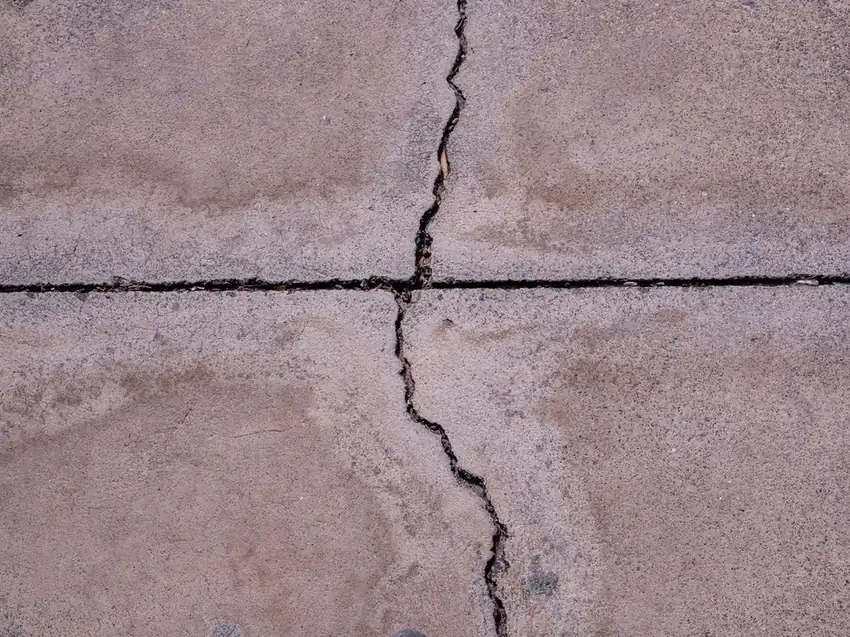
A cracked and weathered concrete slab showing surface damage

Home Services Concrete repair

A straight answer about your cracked slab.

Cracked, sunken, crumbling or lifting into a trip hazard. We'll tell you whether it's worth patching or whether the honest fix is to take the section out and pour it right — and why.

The honest bit

Some concrete is worth saving. Some isn't.

There's money to be made selling patches that look fine for a season. We'd rather tell you the truth on the first visit, because the second call — when the same crack has opened back up — is a worse conversation for everybody.

The question is almost never how bad the crack looks. It's what's happening underneath. A tight line in an otherwise solid, well-supported slab is cosmetic. The same line with one side sitting a half-inch higher than the other is the ground telling you the base has failed.

We'll say which one you've got, and we'll say it before you've spent anything.

We look at
Driveways, patios, walks, porches, steps, approaches and slabs
Repairs
Section and panel replacement, trip hazard removal, edge rebuilds
Replacement
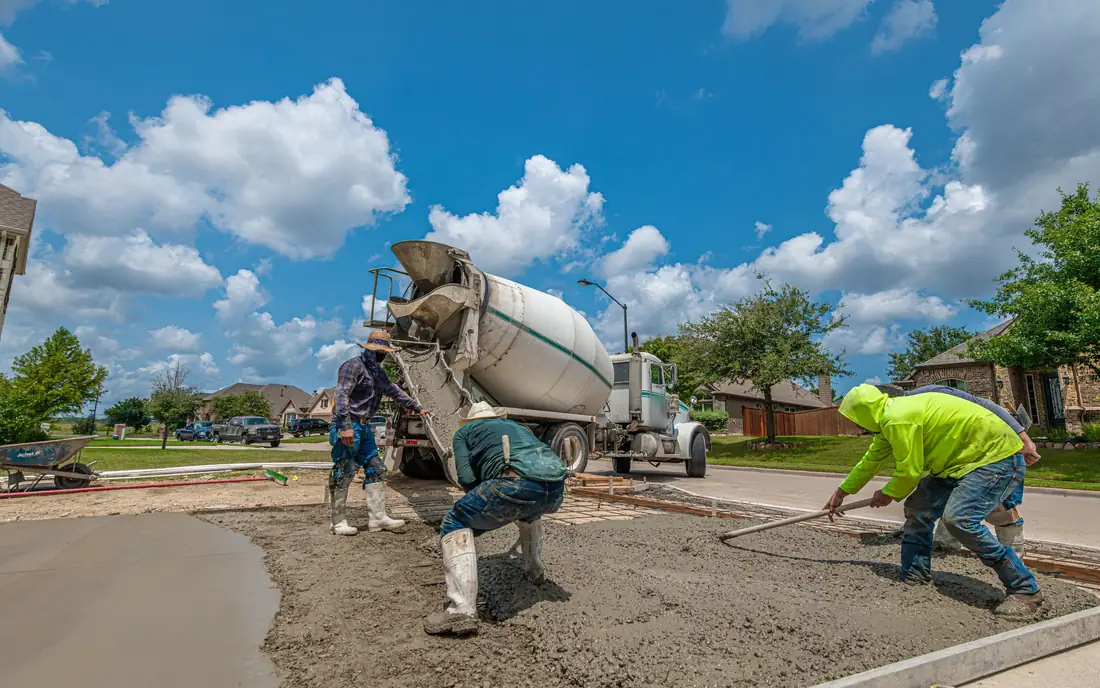
Full tear-out and re-pour, done by the same crew
Cause first
Roots, washouts and failed base dealt with while the ground is open
Included
Break-out, loading and haul-off of the old concrete
Estimate
Free, and you get told which option we'd pick

Read it yourself

What your concrete is telling you.

Before you call anyone, walk out and look for these four things. They're what we'll be looking at too.

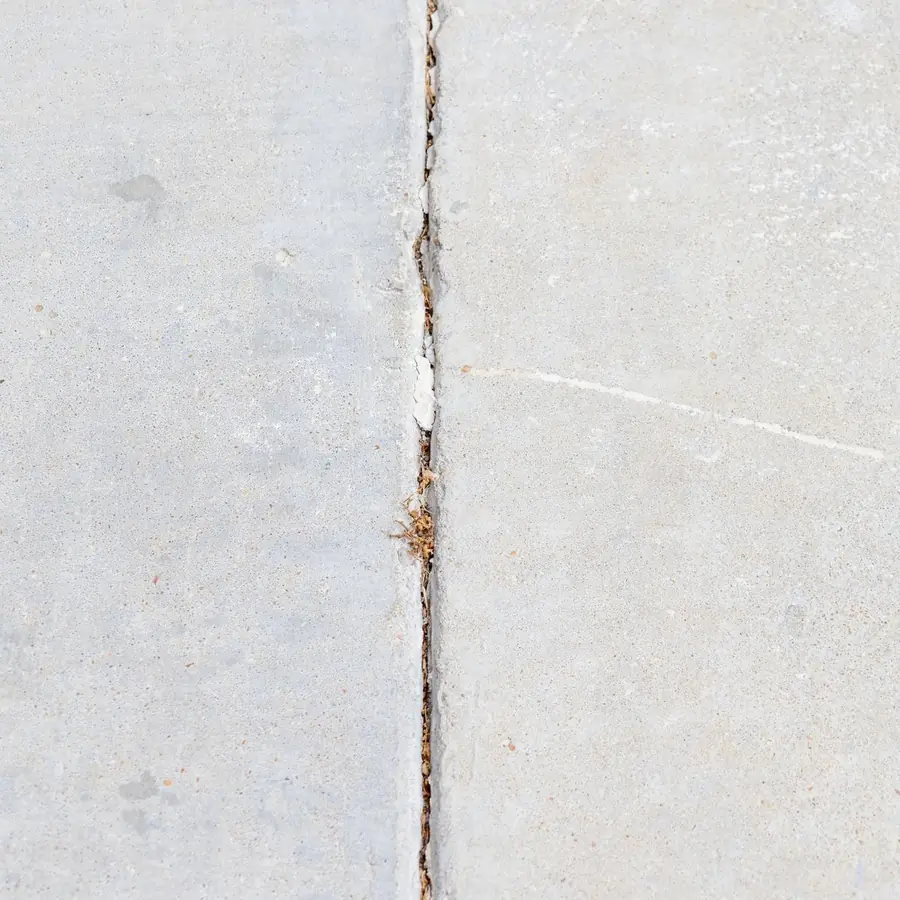
A single clean crack running across an aged concrete slab

Is the crack level, or stepped?

Run your hand across it. If both sides are flush and the gap is hairline, it's usually shrinkage and it's cosmetic. If one side has dropped or lifted, the ground underneath has moved — and no amount of filler is going to hold that together.

Hairline = cosmeticStepped = base movementWidening = active
Weathered concrete showing surface cracking and wear

Does it rock when you stand on it?

Step on each side of the crack and feel for movement. A panel that rocks is sitting on a void — the base has washed out or settled under it. That's a dig-and-rebuild job, not a surface one, and it will only get worse through the next wet season.

Rocking panelVoids underneathWashoutSettled fill
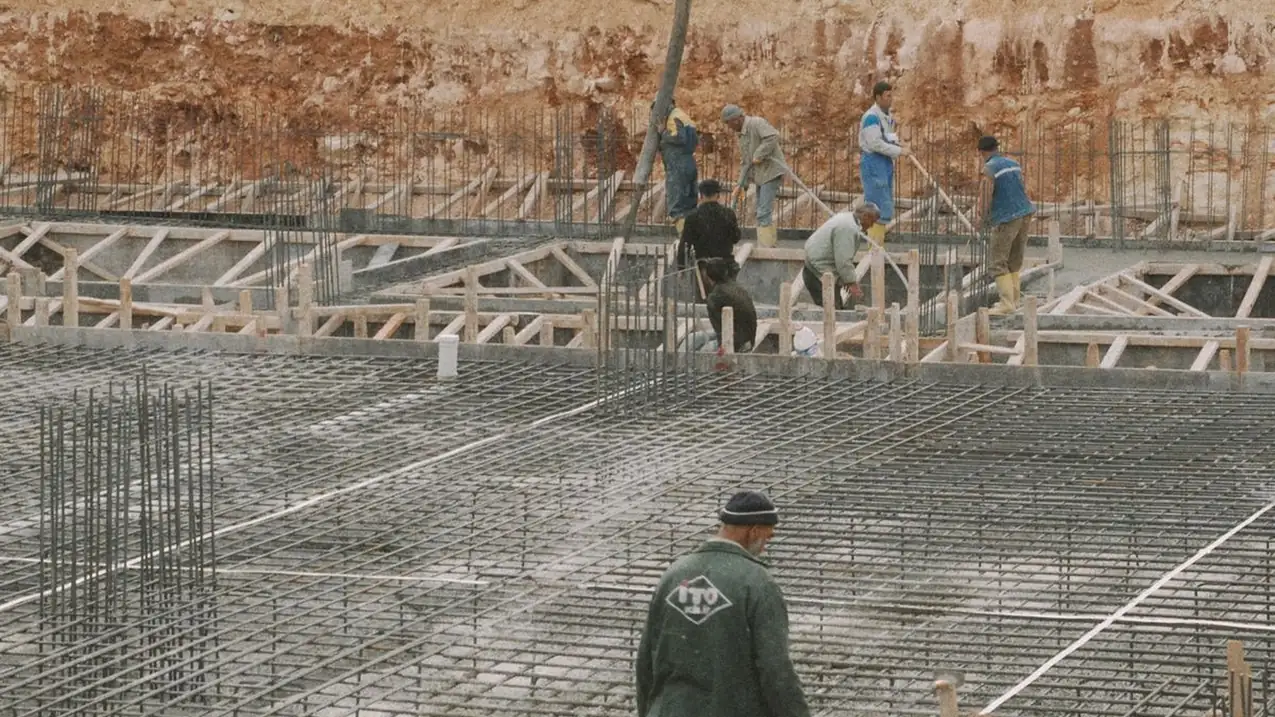
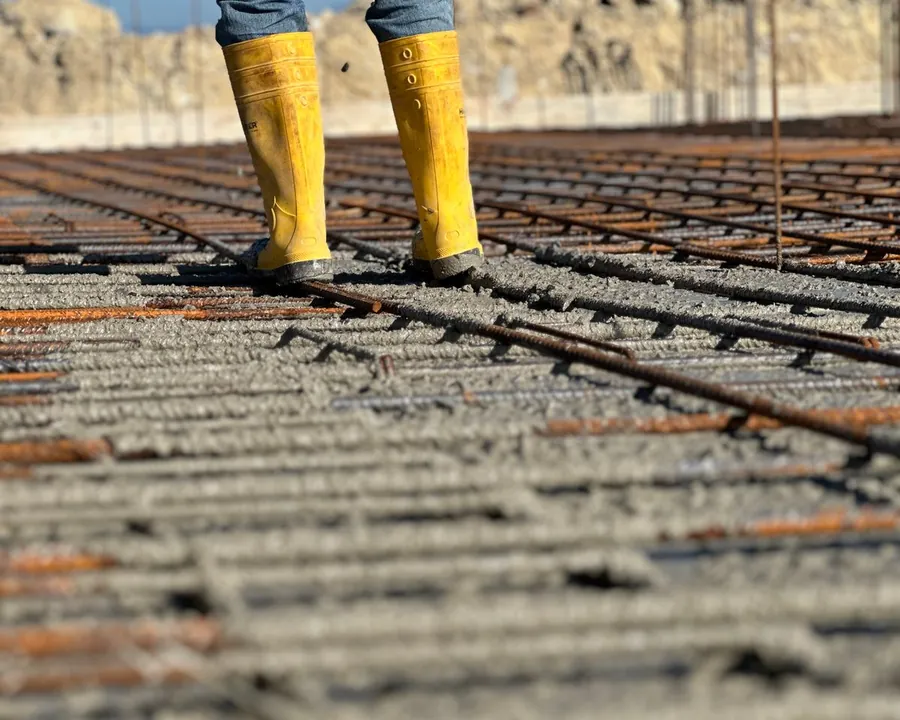
Reinforcing steel laid over prepared ground before concrete is placed

Is the surface flaking, or is steel showing?

Shallow flaking — spalling — can sometimes be resurfaced. But if you can see rusted steel at the surface, water has been getting into the slab for a long time and the reinforcement is expanding as it corrodes. That one only goes one direction.

Surface spallingFlaking & scalingExposed rusted steelCrumbling edges
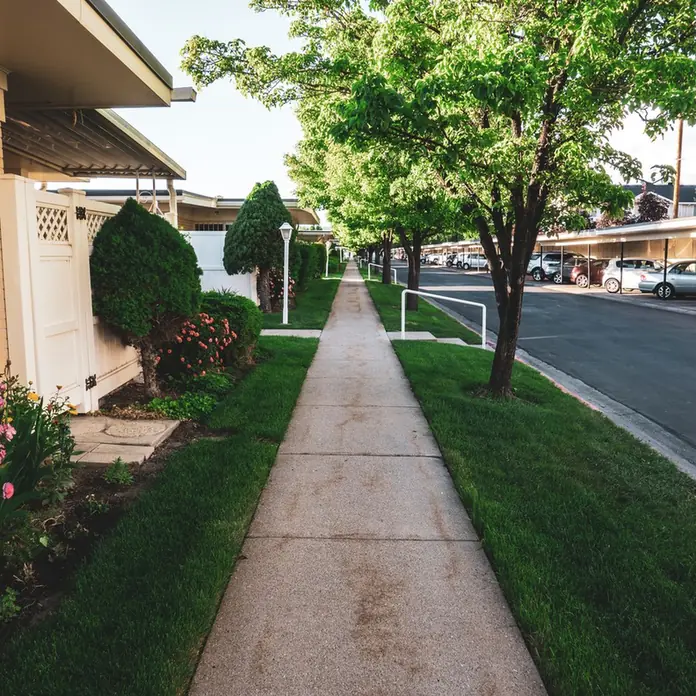
A finished residential concrete driveway and front walk

Where does the water go?

Look at it after rain. Water standing on the slab, running along its edge, or pooling against the house is the reason a lot of concrete fails early here. Fixing the drainage is part of the repair, otherwise the new pour has the same job description as the old one.

PondingEdge washoutWater at the foundationFall corrected
A reinforcing steel mat tied out across a prepared foundation ahead of a pour

Patch or pull

The cheapest fix and the best fix are not always different.

Plenty of jobs genuinely are a patch. One trip hazard, one chipped edge, one section that has sunk beside otherwise solid concrete — those are quick, they're cheap, and they're the right call.

What we won't do is grind down four trip hazards on a driveway that's rocking in three places and call it repaired. If the base has gone, the honest number is for taking it out, and you should be given that number so you can decide.

Section replacement // Panel swap // Trip hazard removal // Edge rebuild // Full tear-out // Re-pour // Drainage correction // Haul-off

How we call it

Standing on your concrete, this is the decision.

We'd repair it

  • Hairline or shrinkage cracks that aren't moving and haven't opened up
  • One sunken section next to concrete that's otherwise sound and level
  • A single trip hazard where two panels have stepped apart
  • Edge chips and shallow spalling on a slab with a solid base under it
  • You've got bigger plans in a couple of years and just need it safe now

We'd replace it

  • Cracks running the full width with the two sides at different heights
  • Several panels sunken or rocking — that's the base, not the surface
  • Concrete crumbling, flaking badly, or showing rusted steel
  • A slab poured too thin, or with no reinforcement in it at all
  • You've already paid to patch the same spot more than once

Repair questions

What people ask on the drive.

Anything not here, call (469) 601-8771.

Is my crack serious?

Two things matter: whether it's moving, and whether the two sides are at different heights. A tight hairline that hasn't changed in years is usually cosmetic. A crack you can get a finger into, or one where one side sits higher than the other, means the ground under the slab is moving.

Can you replace part of a driveway instead of all of it?

Often, yes. If the rest is sound we saw-cut and replace the failed section at the joints. Where several panels are sunken or rocking, that points at the base rather than the concrete — replacing one section there just moves the problem along a few feet.

Will the new concrete match the old?

Not at first. New concrete starts lighter and darkens as it weathers, so expect a visible difference for the first several months. We match the finish and the joint pattern so it reads as part of the same slab once the colour evens out.

What causes the surface to flake and crumble?

That's spalling — usually water getting into the surface, a poor original finish, or salts. Shallow and localised, it can sometimes be resurfaced. Where the steel underneath has started rusting, replacement is the honest answer.

Do you haul the old concrete away?

Yes. Break-out, loading and haul-off are part of the job. You don't need to arrange a dumpster or a second contractor for it.

How quickly can you look at it?

Call and describe it. If it's a trip hazard or something that's about to get worse in the next rain, say so — that moves up the list.

Free estimate

Show us what it's doing.

Tell us where it is and what's happening — cracked, sunk, rocking, flaking. Photos help if you have them. You'll get a straight recommendation either way.

Call(469) 601-8771 EmailGrantiv77@gmail.com
HoursMonday to Friday, 5:00am – 5:00pm
CoversRoyse City, Rockwall, Fate, Heath, Rowlett, Forney & Greenville

Repair estimate

Two required fields. We'll call you back.

What's it doing?

Would rather talk? Call (469) 601-8771.

Nearby

Other things we pour

ServiceA concrete driveway curving up to a two-car garage

Concrete driveways

New pours, replacements, widenings and street approaches.

Concrete driveways
ServiceA clean-edged concrete patio slab beside a garden wall

Patios & porches

Back patios, extensions, porches and pads for hot tubs and sheds.

Patios & porches
ServiceA poured concrete walkway between lawn edges

Sidewalks & walkways

Front walks, side paths, steps and landings that sit level and drain.

Sidewalks & walkways
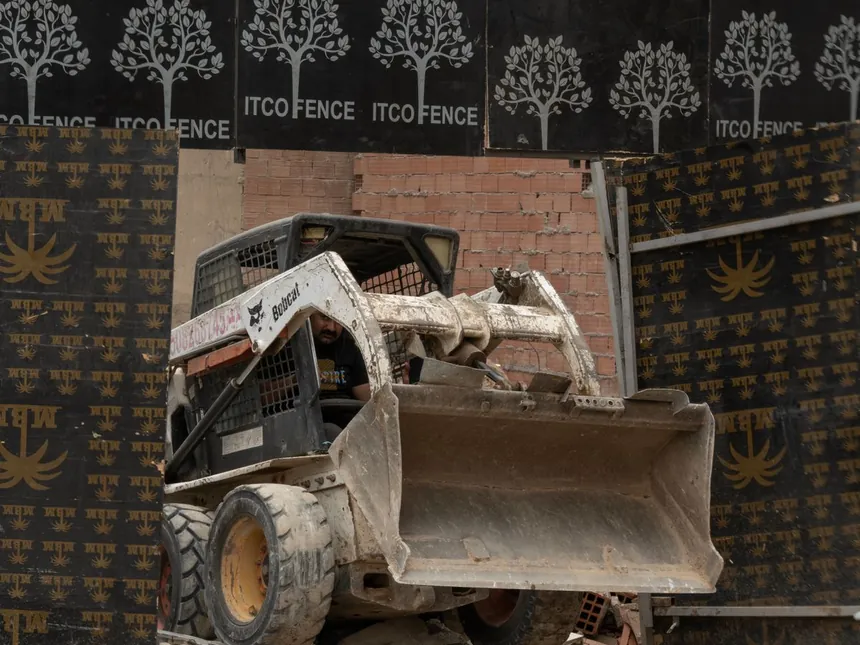
ServiceA skid steer clearing broken material from a demolition site

Excavation & demolition

Dig, grade, break out and haul off — the work that happens before the pour.

All services

Royse City · Rockwall County

Find out what it actually needs.

Free assessment, honest recommendation, and a number for both options where both are real.

Call now Free estimate