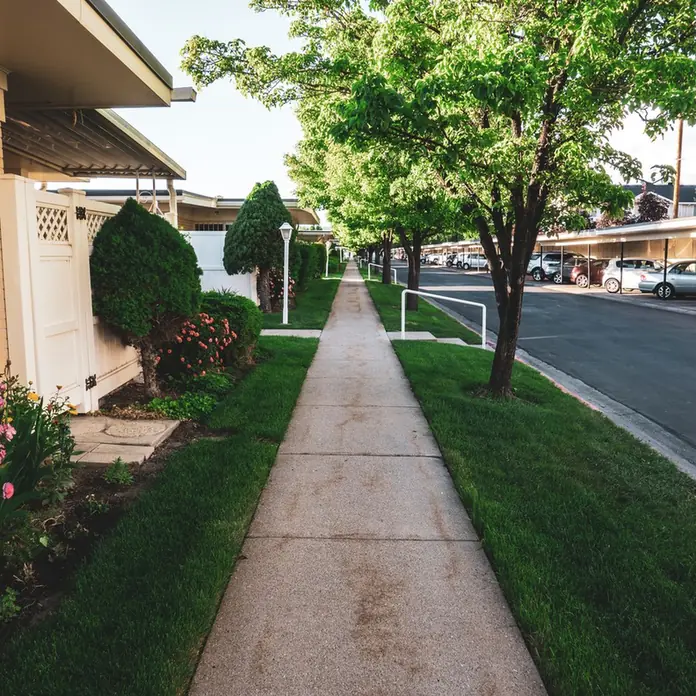
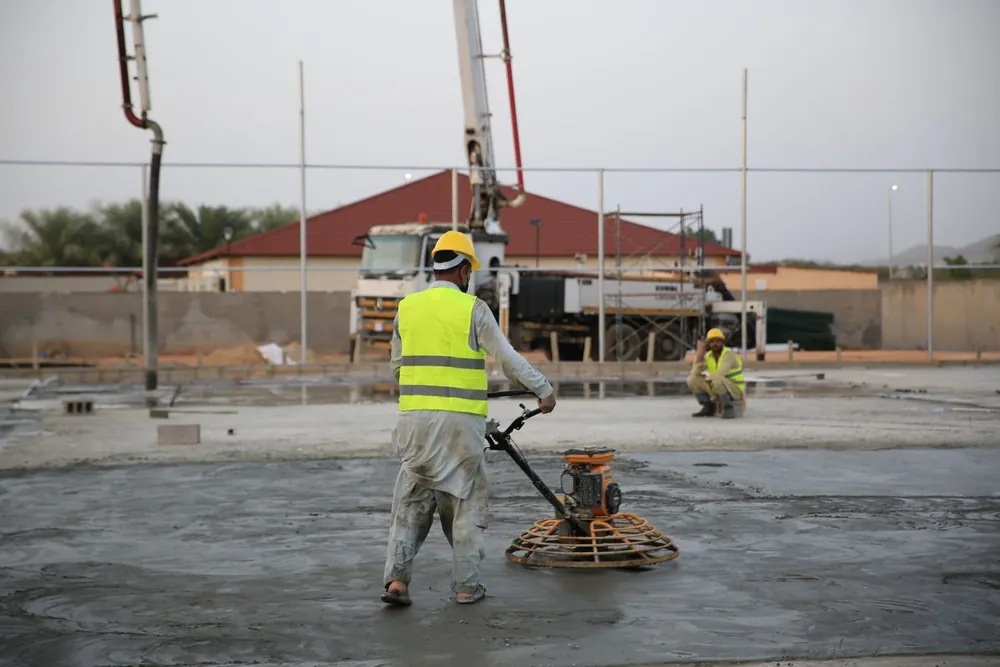
Set out and levelled first
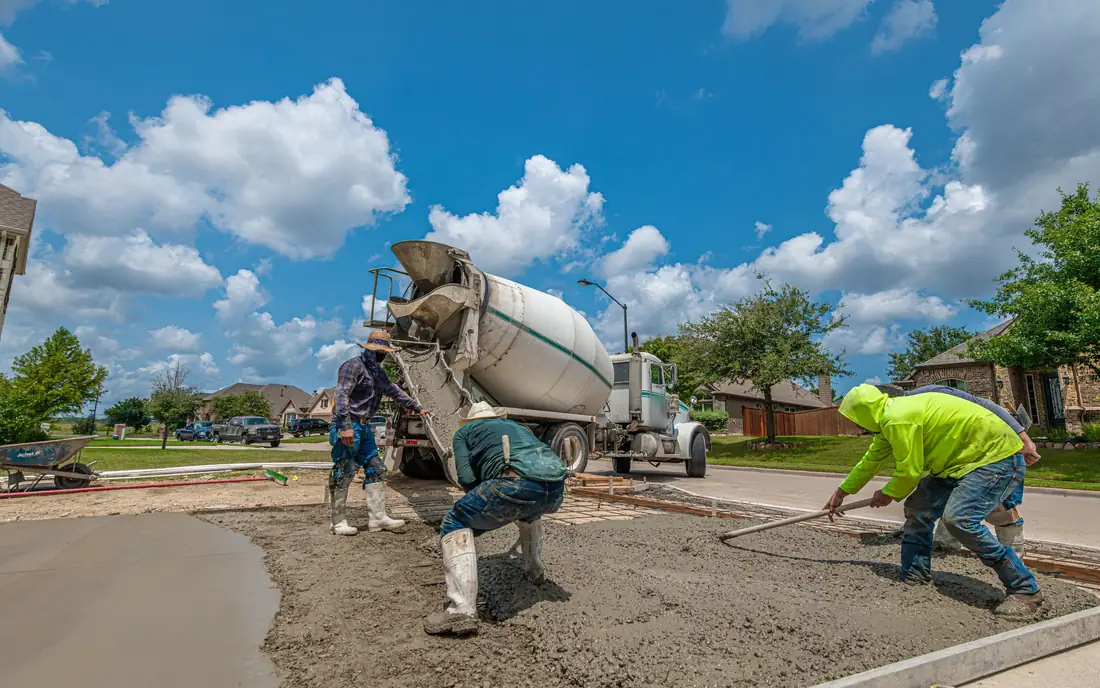
We mark the route and width on the ground with you, string the levels from the porch or the driveway lip, and set the cross-fall so rain runs off the side rather than pooling in the middle of the walk.
The job
A driveway can be an inch off across its width and nobody will ever notice. A four-foot walk can't. Narrow concrete shows every dip, every bad level and every panel that has moved, and you feel it under your foot twice a day.
Walkways also sit right where water wants to run — along the side of the house, off the edge of the drive, down the slope from the back yard. If the fall is wrong, the walk becomes the drain and then the ground under it washes out.
So we spend the time on the string line and the base, not just on the finish.
What's in it
Three things decide whether a walkway is still flat and safe in five years, and none of them are visible once the concrete is down.
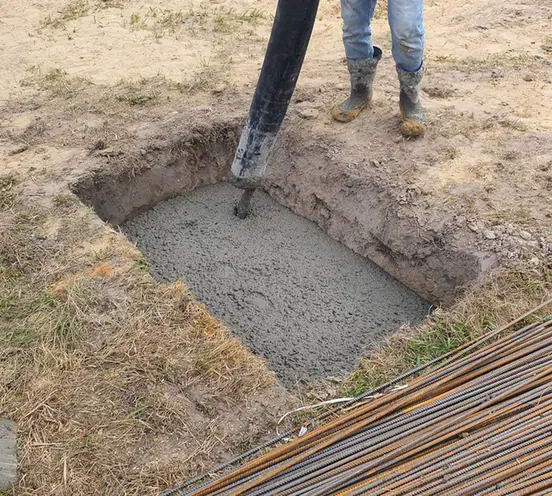
We mark the route and width on the ground with you, string the levels from the porch or the driveway lip, and set the cross-fall so rain runs off the side rather than pooling in the middle of the walk.
Where the old walk lifted, something caused it — usually a tree root, a washout along the edge, or fill that was never compacted. We deal with the cause while the ground is open, because pouring a fresh panel over the same problem just resets the clock.
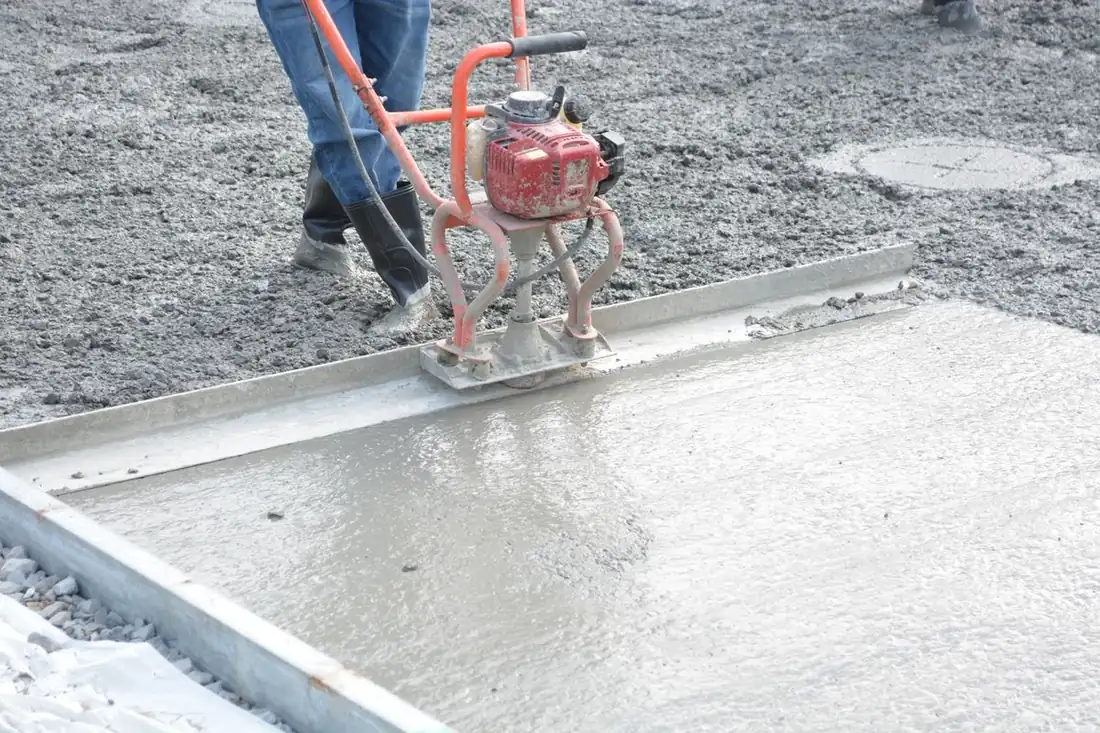
Joints put in at sensible spacing so movement is absorbed at the lines, edges tooled so they don't chip, and a broom finish across the walk for grip. Steps get consistent riser heights, which is what actually stops people stumbling.
Trip hazards
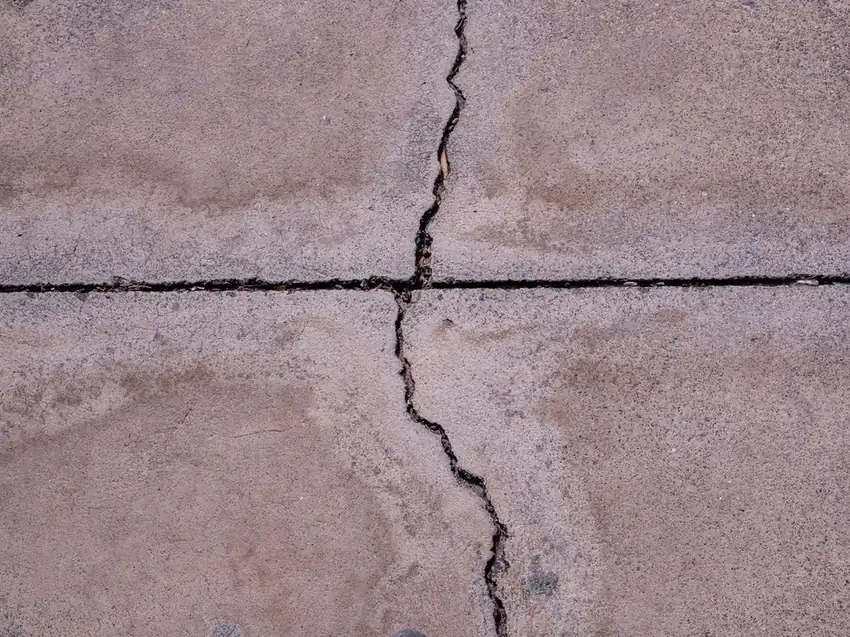
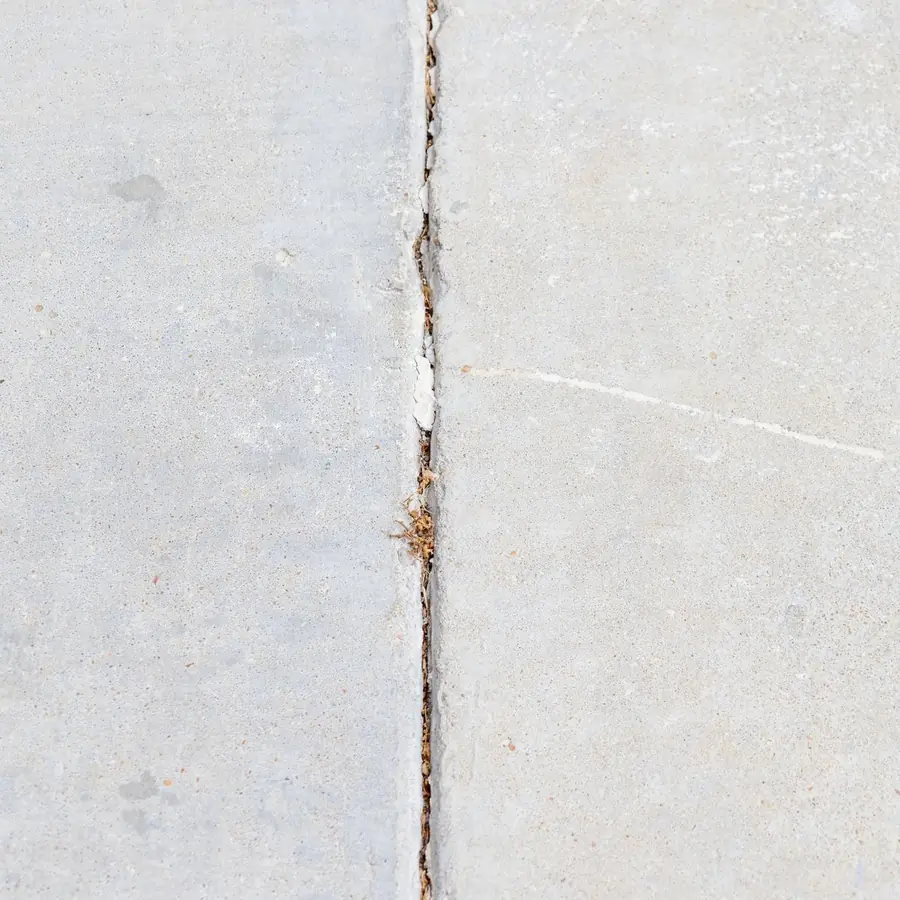
When one sidewalk panel lifts above the next, it stops being a cosmetic problem. It's the thing a delivery driver catches a foot on, the thing that makes the walk unusable with a stroller or a walker, and the thing an insurer will ask about.
Single panel replacement is quick and it's worth doing early. We saw it out cleanly at the joints so the panels either side aren't damaged, fix whatever pushed it up, and pour the new one flush to its neighbours.
Lifted panels // Root damage // Sunken sections // Cracked walks // Crumbling edges // Uneven steps // Ponding water
Where they go
Most walkway calls are about a route people have already worn into the grass.
Yes — single panel replacement is a common job. We cut it out cleanly at the joints, deal with whatever pushed it up, and pour the new panel to match the height of the ones either side, so the trip hazard is gone rather than moved along a few feet.
Three feet is the usual minimum and it feels narrow. Four feet lets two people walk side by side and looks properly proportioned against most houses. We'll mark it out on the ground with you before anything is dug so you can see it.
Nearly always tree roots, a base that was never compacted, or water running along the edge and washing the ground out from under it. Fixing the cause matters as much as pouring the new concrete — otherwise the new panel does exactly the same thing in a couple of years.
Yes. Steps, landings and the transition where a walk meets a porch or driveway are part of the same job. Getting the riser heights consistent is the detail that stops people stumbling on them in the dark.
Most residential walks are a one to two day job including the tear-out. Then stay off it for about 24 hours while it sets up.
New concrete always starts lighter than old concrete and darkens as it weathers, so expect a difference for the first several months. We'll match the finish and the joint pattern so it reads as part of the same walk once the colour settles.
Free estimate
Roughly how long it is, where it starts and ends, and whether there's something there now. That's enough to price it.
Nearby


Cracked, sunken and spalling concrete assessed honestly, then patched or replaced.
Concrete repair
Dig, grade, break out and haul off — the work that happens before the pour.
All servicesRoyse City · Rockwall County
One panel or the whole run — tell us what it's doing and we'll tell you what it needs.